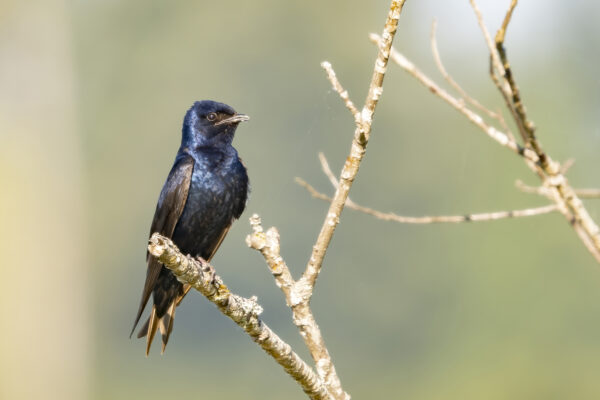
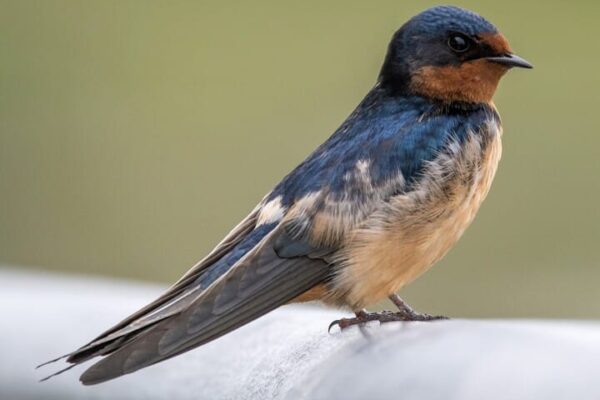
Photo Credit: Chestnut-collared Longspur (Calcarius ornatus) – David M. Bell
Chestnut-collared Longspur
Calcarius ornatus
Compiled by Lindsey Hernandez
Sources include: Cornell Lab of Orinthology, USGS, Audubon Society.
Each year, the Chestnut-collared Longspur passes through Central Texas during its winter stay in the southern Great Plains. The small grassland bird can be spotted in Central Texas from October through February, when flocks descend upon shortgrass prairies, pastures, and open fields. The small bird travels annually between its northern breeding grounds in the northern Great Plains and Canadian Prairie Provinces and southern wintering range in southern Great Plains, Chihuahuan Desert, and southwestern U.S., including northwest Texas and nearby rangelands.
In winter, the Chestnut-collared Longspur’s plumage is subtle, blending into the muted tones of the season. However, males in summer are unmistakable: black-bellied with a buffy throat and a rich chestnut collar on the nape. Both sexes show a distinctive white tail with a dark central triangle visible in flight. Their elongated hind toe claw gives all longspurs their name and makes them distinct.
The Chestnut-collared longspur spends most of its time on the ground walking, running, foraging, and often bobbing their heads as they search for seeds and insects. Its flight is agile and undulating, a pattern you may notice when flocks of 50–100 birds spring from winter grasslands. During breeding season, however, their behavior becomes dramatically aerial. Males fly up to 50 feet above the prairie in fluttering display flights, circling and descending while singing in an effort to attract females and defend territories.
They can be surprisingly aggressive; males spar along territorial boundaries, and females chase off rivals with equal tenacity. Though territorial in summer, they become social and gregarious in the colder months, mingling not only with one another but with other grassland species like Horned Larks and McCown’s Longspurs.
Breeding pairs are socially monogamous and often raise two broods per season, though extra-pair mating is common. Nests are built by the female in a small depression on the ground, often tucked beside a grass clump or even near a dried cow pie. She lines the nest with grasses, hair, and feathers before laying around four eggs. Incubation lasts roughly 10 days, and chicks leave the nest just as quickly—fledging about 10 days after hatching. For up to two more weeks, parents continue to feed their young, with males often taking over care if the female begins a second nest. During the breeding season, insects make up as much as 72% of their diet, especially crickets, beetles, and grasshoppers. Because their chicks rely heavily on grasshoppers, widespread pesticide spraying in agricultural areas can severely reduce nesting success.
Once abundant across the Great Plains, the Chestnut-collared Longspur has suffered steep declines as native prairie has been converted to cropland, energy development, and towns. Since the 1960s, its population has fallen by more than 70%, placing it on the 2025 State of the Birds Red Alert Tipping Point list. The loss of grazed or recently disturbed prairie affects this species, which depends on low vegetation and open ground. Ironically, in areas where grazing has ceased, such as protected prairies with little disturbance, the habitat often becomes unsuitable as grasses grow too tall. Conservation strategies that support longspurs include sustainable grazing, targeted disturbance like mowing, and the protection of remaining native prairie tracts.